The Beauty of Use
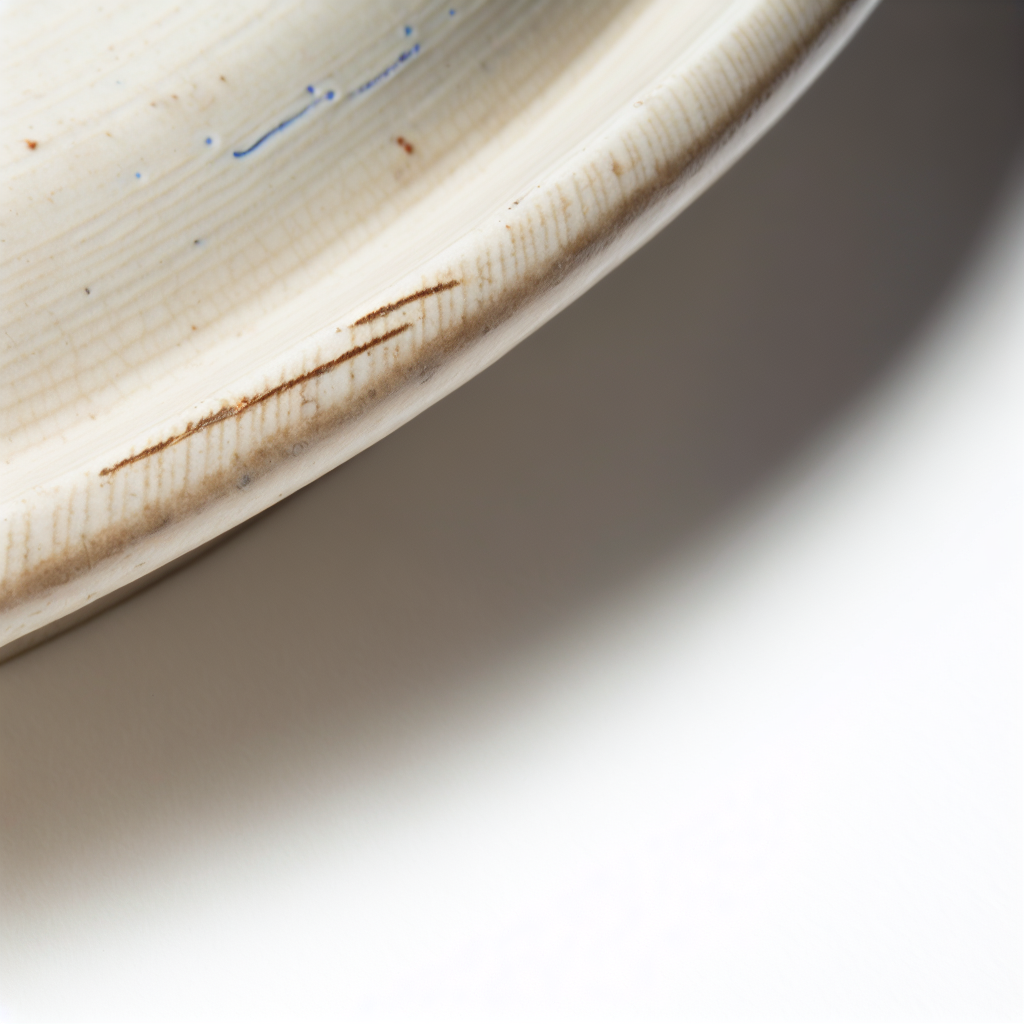
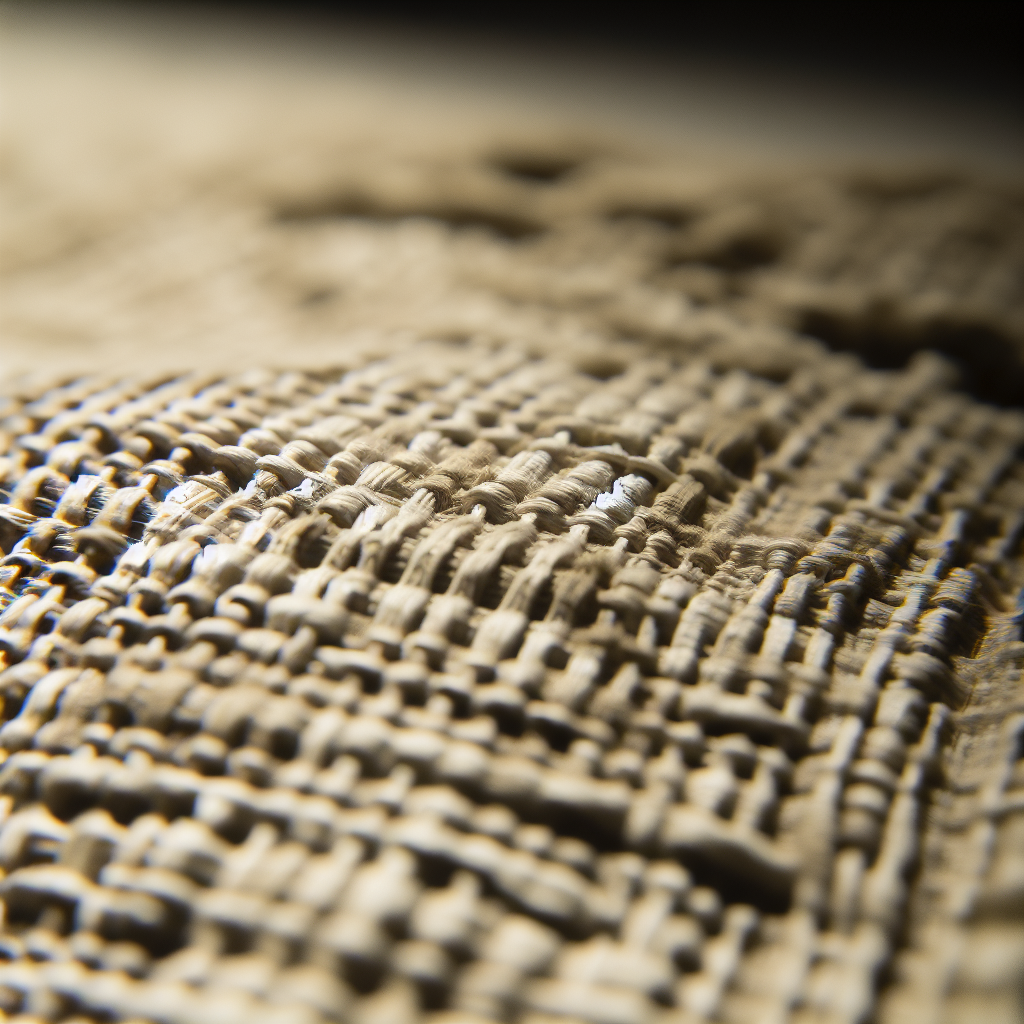
Every object we use regularly accumulates evidence of that use. Wooden cutting boards develop knife marks like topographical maps. Ceramic plates acquire networks of fine scratches. Fabric softens and thins where it's most frequently touched or worn.
These wear patterns are often seen as damage, signs that an object is past its prime. But we see them differently — as archaeological records of daily life, as proof of utility and value, as a kind of beauty that can only emerge through time and attention.
"Wear is not decay. It is the visible evidence of relationship, the mark left by thousands of small interactions between person and thing."
Reading Objects
The Wear Patterns program teaches participants to read objects like archaeologists. A well-worn wooden spoon tells us about cooking habits — the depth of char marks, the smoothness of the handle, the thinning of the bowl's edge.
We use macro photography to document wear at different scales, from the obvious to the microscopic. Participants learn to identify different types of wear: abrasion, impact damage, chemical change, UV fading, and more.