Personal Taxonomies
How we store our belongings reveals our mental models of organization. Some people group by function, others by frequency of use. Some prefer everything visible, while others hide things away. These choices aren't arbitrary — they reflect our values, priorities, and the way we think about our possessions.
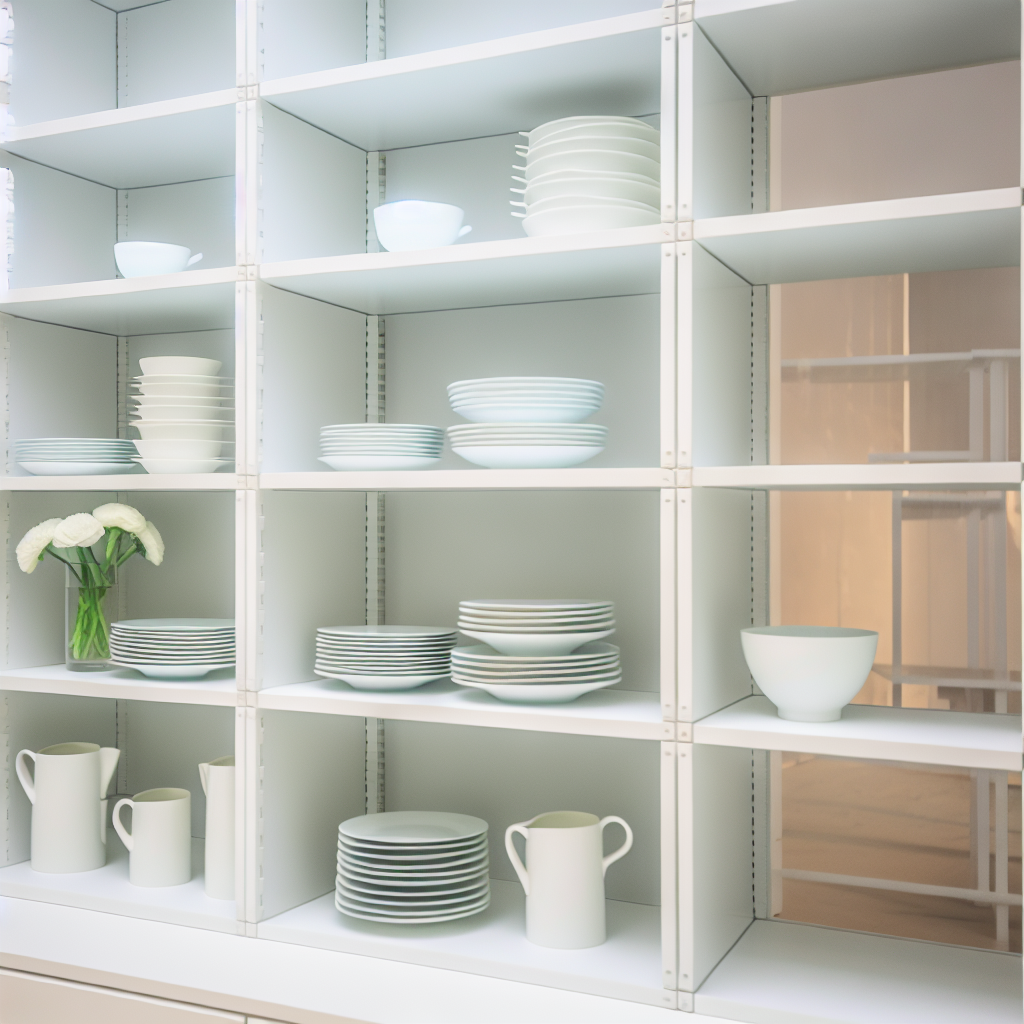
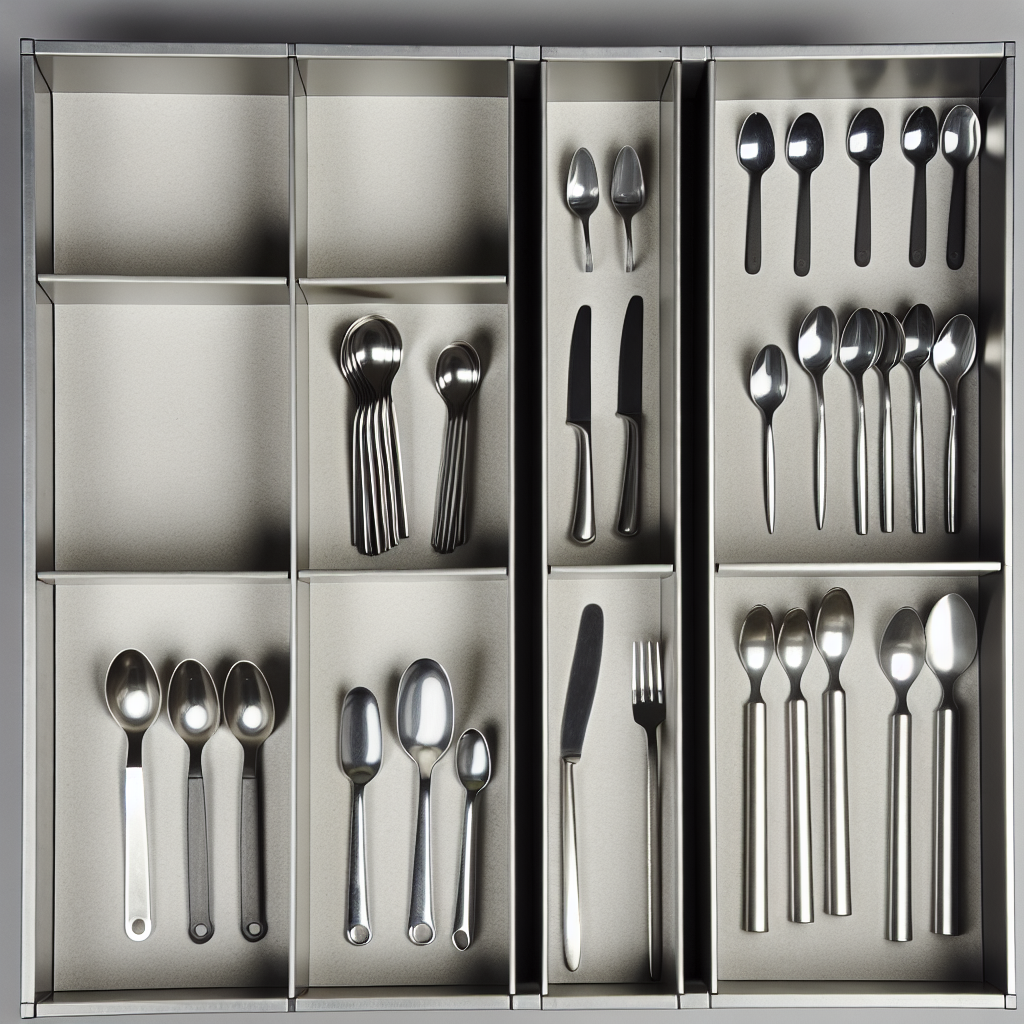
The Storage Logic program examines these personal taxonomies through careful documentation and analysis. We photograph drawer interiors, closet arrangements, and kitchen cabinets, then work to understand the logic — conscious or unconscious — that governs these systems.
Types of Storage Systems
Through our research, we've identified several common approaches to household storage:
- Proximity Storage: Items stored near where they're used
- Categorical Storage: Grouping like items together
- Frequency Storage: Easy access for frequently used items
- Aesthetic Storage: Visible display of beautiful objects
- Seasonal Storage: Rotating items based on time of year
Most households use a combination of these approaches, often without conscious awareness. Understanding your dominant storage logic can help optimize space and reduce friction in daily routines.