A Study in Material Memory
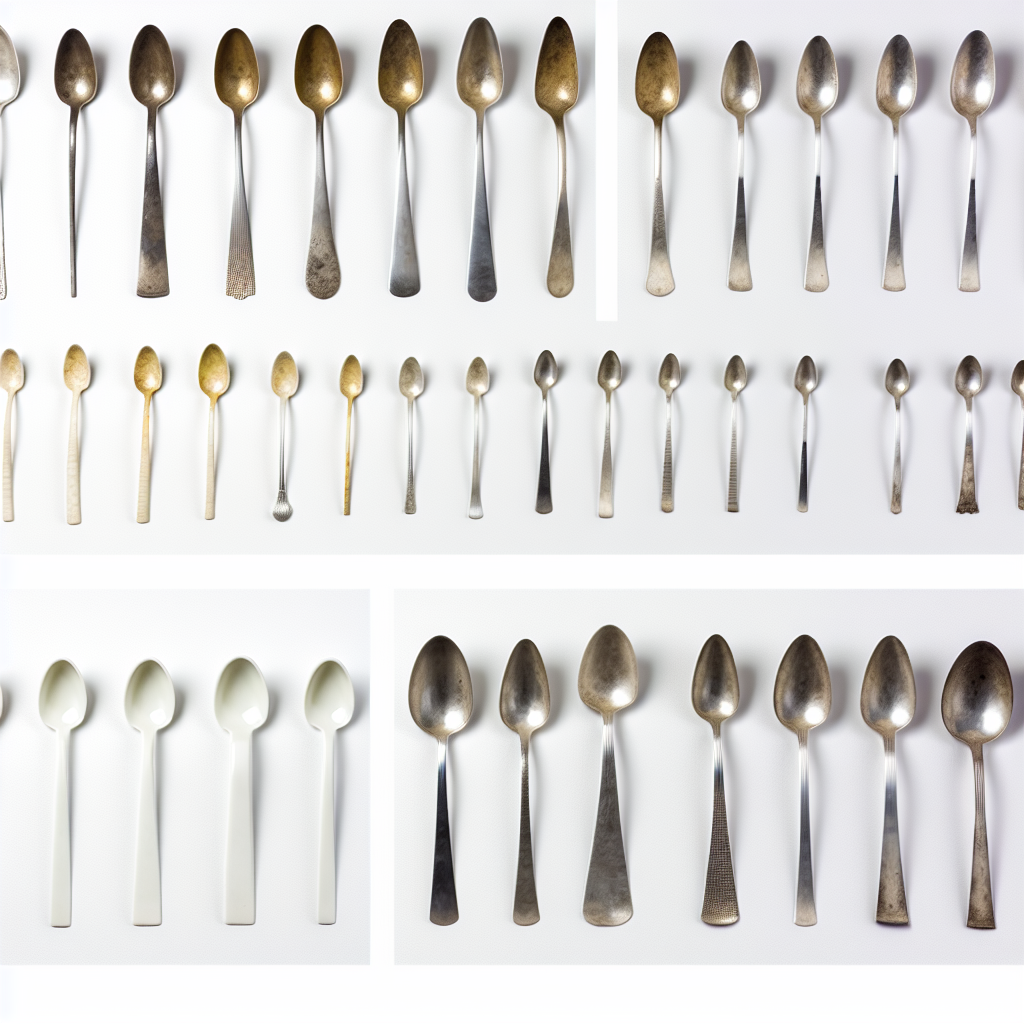
Between 2021 and 2024, we documented 327 spoons from 50 households across the United Kingdom. Each spoon was photographed, measured, and its owner interviewed about their relationship with this most humble of utensils.
What emerged was a portrait of daily life told through wear patterns, material choices, and inherited objects. Some spoons had been in families for generations. Others were recent acquisitions, chosen with care from crowded shop displays. All bore the marks of use — the thinning of bowl edges, the smoothness of handles, the particular patina that comes only from years of stirring, serving, and tasting.
Patterns Across the Collection
The archive revealed fascinating patterns. Wooden spoons, despite requiring more maintenance, were universally described with affection. Stainless steel spoons were praised for durability but rarely inspired attachment. Vintage silver spoons, often inherited, occupied a special category — used on ordinary days despite their value, as if daily use honored their original purpose better than display ever could.
We observed geographic differences too. Scottish households showed preference for longer handles, useful for deep pots of porridge. London kitchens featured more diverse collections, reflecting multicultural cooking practices. Rural households tended toward fewer, more carefully chosen spoons, each serving multiple purposes.