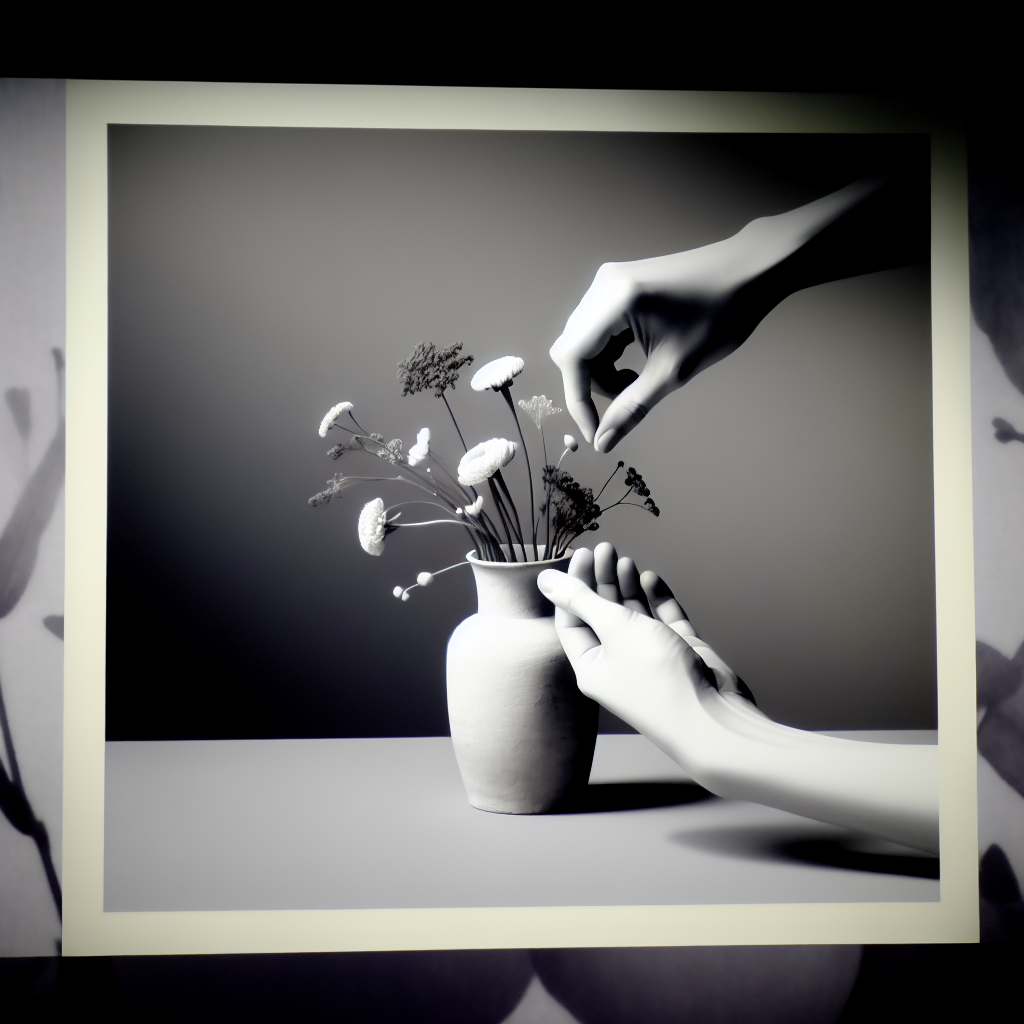
The Meditation of Maintenance
Every Sunday morning, Maria oils her wooden cutting board. The ritual takes ten minutes — warming the oil, applying it in slow circular motions, letting it soak in while she drinks her coffee. She learned this from her mother, who learned it from hers. The board is forty years old, its surface marked by decades of chopping but still beautiful, still functional.
This is what we study when we study care rituals: not just the practical techniques of maintenance, but the way these acts become meditative practices, connecting us to objects, to people, to time itself.
Weekly Rhythms
Many households organize care around weekly rhythms. Saturday mornings for kitchen maintenance — sharpening knives, conditioning cutting boards, wiping down appliances. Sunday evenings for shoe care — cleaning, polishing, inspecting for needed repairs. These rhythms create structure, turning maintenance from chore into ritual.
We've documented hundreds of these personal rhythms. Some people prefer daily micro-rituals — five minutes each morning wiping down the coffee machine, straightening the spice rack. Others batch their care into monthly deep-clean sessions. There's no right approach, only what works for each household's particular logic.
Inherited Practices
Many care rituals are inherited, passed down through families like recipes. The particular way of polishing silver, learned from a grandmother. The schedule for rotating mattresses, maintained because "that's how we've always done it." These inherited practices carry emotional weight beyond their practical function — they're ways of staying connected to people we've lost, of maintaining continuity across generations.
But inheritance isn't always conscious. We absorb care practices by watching, by helping, by growing up in households where certain objects receive certain types of attention. Sometimes we don't realize we've inherited these practices until we find ourselves, years later, performing the same rituals in our own homes.
The Philosophy of Care
At its deepest level, object care is a philosophical stance toward the material world. It says: things deserve attention, maintenance matters, longevity has value. In a culture that celebrates newness and convenience, choosing to care for what we already have is a quiet form of resistance.
Our research participants often describe care rituals as grounding, as ways of staying present in an accelerated world. The repetitive actions — wiping, polishing, mending — create space for thought, for presence, for the kind of awareness that daily life often erodes.